

How many smart devices does it take to replace a lightbulb?
“We’ve all become a bit cyborg. Our phone is an extension of our memory; we’ve outsourced basic mental functions to algorithms; we’ve handed over our secrets to be stored on servers and mined by computers.” – Franklin Foer
As Franklin Foer stated in his book World Without Mind, we’ve allowed big tech companies to integrate themselves in our daily lives more so than any other company, or a group of companies, did. This line of thought was a bit of a wake-up call for me, I was not unaware of the impact of the big tech on our daily lives and mental health, but something about Foer’s quote above struck a chord.
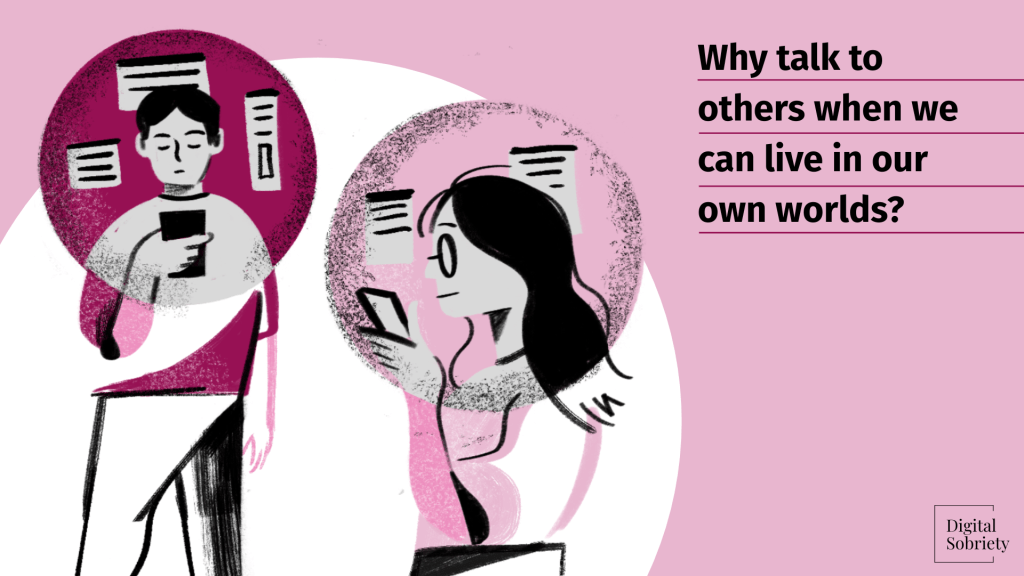
These days, we’ve outsourced almost every human function to computers. We rely on our phones to wake us up, to remind us of our loved ones’ important events, to teach us how to cook and how to do basic repairs, to order groceries, to find romantic partners, to buy house items, and for many other things. Things we used to need another human for, we’ve replaced with technology.
But the moral implications of replacing human connect with robots are not the subject of today’s article. We’re here to discuss more… practical consequences of inviting for-profit private companies into our homes.
What are IoT devices?
In very simple terms, the Internet of Things (IoT) are devices we use in our daily lives, but connected to the internet. Some examples would be smart watches, smart microwaves, smart TVs, smart fridges, self-driving cars, fitness devices, wearables, medical devices, etc.
The Internet of Things (IoT), also known as smart devices, gained massive popularity during Covid. As people couldn’t leave their homes, they had extra spending money to splurge on luxury items. As the senior research analyst Adam Wright stated: “Consumers have shifted their spending priorities from other areas like vacations, going out to eat, or visiting cinemas to focus on adding more comfort, conveniences, and entertainment at home.” While the sales on these devices are lower than they used to be, chances are that most of us have at least 1-2 smart devices lying around in our homes.
What are these devices used for?
These smart helpers are used for a variety of tasks nowadays, from mundane ones like turning the lights on/off or rolling up the blinds at 7.30 AM, to booking flights and doctor appointments. Our kitchens are equipped with top-of-the line smart fridges that tell us when our food is spoiled, our smart watches remind us how much we’ve been slacking off on our steps, and our smart vacuums are getting stuck in cables.
In theory, IoT devices are supposed to make our lives easier, streamline repetitive tasks and allow us to focus on more important things. In practice though, they carry massive security and privacy risks.
Let’s see how smart devices actually work to understand where the risk lies.
What are the privacy and security risks with IoT devices?
In simple terms, IoT devices work like this:
- It collects data or receives input from the user
- It processes some of that data locally or, more commonly, sends the data to the device vendor’s server for processing
- A local system, app, or cloud service analyzes it
- The result may trigger storage, alerts, visualizations, or actions
- The device may also receive commands back from the server
For example, your phone may analyze when you stop using your phone at night and when you first pick it up over a course of days or weeks. Then, it establishes a pattern of your sleep schedule in order to predict when you’ll wake up. They do this to optimize charging speed and preserve your phone battery.
Similarly, your fitness tracker may collect data on how often, where, when and how you work out in order to compare that data with your goals, your contacts, etc.
This collection and analysis part is where the most privacy and security risks lie. Your smart devices collect data and turn it into information about you (and other people you live with), which is then stored on third-party servers on the web, either to be sold to other businesses or to be used for training artificial intelligence models.
The manufacturer of the device can see collected data by default, and so can their partners and other businesses they have agreements with. However, this data is generally not available to you, and you often don’t know who else has control of your devices, aside from you.
Big tech often gets away with this because they state this in the fine print of their Terms of Service and Privacy Policy documents, which are purposely made long and written in law jargon to be hard to understand.
Is it really that big of a deal?
Your data is very valuable, and it being stored on a cloud makes it a very tempting target for malicious parties. To make things worse, it’s not even that hard to get access to it. In fact, a team of hackers demonstrated how easy it is to gain access into your smart home.
💡 Did you know?
Average smart home faces 29 cybersecurity attacks daily, according to a 2025 report by Bitdefender and NETGEAR.
The fact that all of these smart devices are connected to each other through the same home network means only one of your devices needs to be compromised for the whole system to be taken over. Back in 2019, two ‘hackactivist’ security researchers found a vulnerability in the database of the IoT company Orvibo. They gained access to over 2 billion logs, which included everything from users’ family names to their account passwords. It has been found out that hackers could control your entire smart home using laser light.
Bottom line
Ultimately, by using IoT devices you’re putting a lot of trust into the manufacturer (and their business partners, and their partners’ partners), both to be able to handle your data with respect and to provide a secure wall of protection for it.
However, past experience with tech has shown that profit comes before customer respect. A quick Google search will lead you into a rabbit hole of articles filled with tech companies evading responsibility for user data. Even when they’re not acting with malicious intent, smart home systems are inherently vulnerable, and easy to exploit.
CBC, a Canadian broadcast service, made a video in 2018 explaining how your smart home devices can be used to spy on you. I definitely recommend watching it, as it shows three white hat hackers exploring how easy it is to get full access to a smart home: security cameras, digital assistants, lights, temperature, speakers, as well as the main door lock.
“But I really want to use smart devices. What are my options?”
There’s a reason why smart devices have become so prominent. They can be genuinely useful for regular people trying to outsource mundane chores.
Ultimately, we’re not aiming for perfect privacy or security, because that doesn’t exist. Every day, we take calculated risks on what technology we want to use, and how much personal information we’re willing to sacrifice for convenience.
Here are some general principles you should have in mind as you’re exploring different smart home options:
Go FOSS (if you can)
Prof. Dr. Matthias Wählisch, the Head of Internet Technologies Group of Freie Universität Berlin, stated that the best way of using smart home devices is through free open-source software (FOSS).
FOSS has public code that anyone can view and edit, and as such, there is full transparency where your data is being stored. This makes it the standard for privacy.
Take digital security seriously
You should also always use strong passwords for your devices and two-factor authentication (2FA). The most important thing is that all of your devices have different passwords, or you can make use of a password manager, which creates unique passwords for you, and safely encrypts them.
Do your research on past privacy or security breaches
Most smart device companies have gone through data breaches at one point or another. Therefore, the question isn’t if they’ve had a security issue, it’s more about when and how it happened. And how they handled it. Try to go for reputable companies that handled the privacy/security breach professionally and with maximum transparency.
 Digital Sobriety
Leave a reply to The (Many) Real Concerns Behind Parental Control Apps – Digital Sobriety Cancel reply