
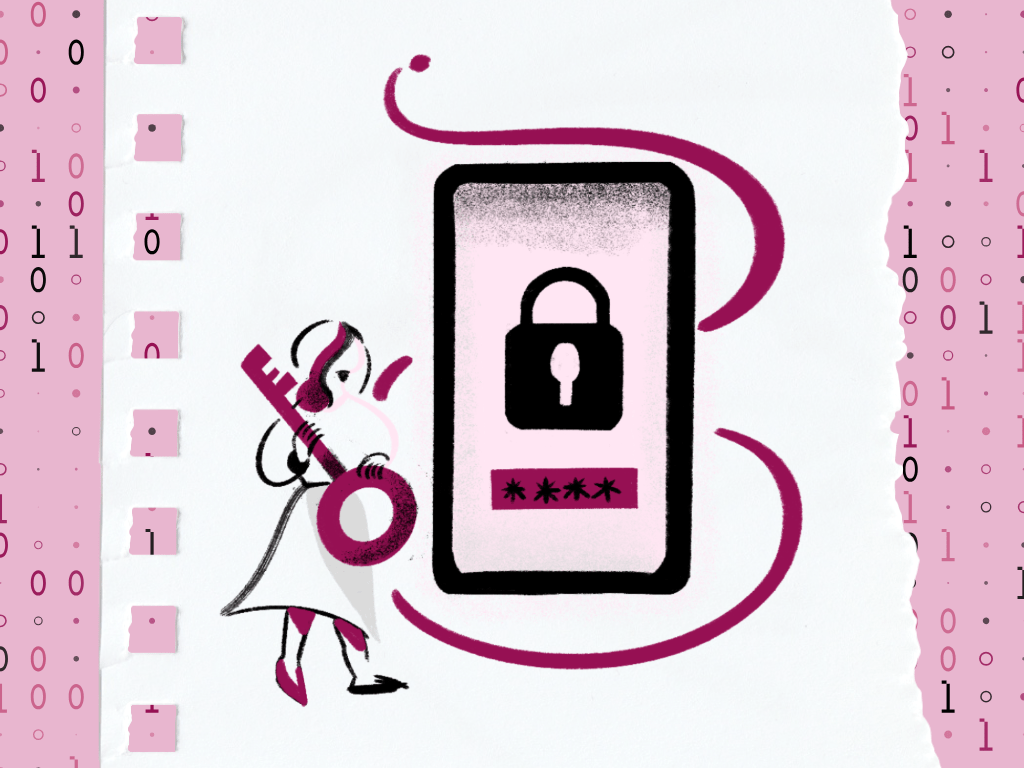
Being private doesn’t have to be lonely.
So you’ve decided to become more private, and you’ve taken as many steps to improve your privacy and security on the Web as you could. You understand why it’s important, and you want to help those around you adopt more mindful approach to data privacy.
First of all, it needs to be established that privacy is a journey of the individual. No one can, or should, tell someone else how to live their life.
Address their worries
Most people nowadays struggle with digital overuse to some extent. For some, it’s because of work, and for others, it impedes on their daily life.
One way you could “package up” digital privacy is without even mentioning privacy. Instead, push them towards behaviors that are more privacy-conscious, while also coming with other genuine benefits. For example:
- Encouraging them to delete her TikTok account because of cognitive overload.
- Talking about digital minimalism and its benefits.
- Highlighting productivity benefits of spending less time on YouTube.
- Suggesting to delete their work Outlook off their personal device to cut off burnout from work communication.
It will be easier for people to accept these kinds of changes because they provide tangible benefits people can buy into.
Privacy and security are important, but they’re too vague for most people to grasp. Hence, focusing on genuine value-adds for that individual person will help them get used to not always going along with the status quo, which might make them interested in further privacy pursuits.
Suggest small changes
The best way of spreading privacy among the masses is to gently push them in the right direction through small-step changes that don’t disrupt their day-to-day activities.
When you’re talking about apps or software, highlight the benefits of privacy-respecting alternatives for reasons other than just the privacy. For example:
- If you live abroad, you can “promote” an app like Signal to your grandpa as a way to contact you for free.
- Show your mom the beauty of Bitwarden, where she never has to remember emails or passwords again.
- Tell your friend they can browse the internet ad-free with Brave.
Think about the person’s individual needs and pain points, and try to show how the privacy-respecting alternative helps alleviate them.
Aside from this method, you can also suggest simple changes like:
- Replacing Google Chrome with DuckDuckGo, StartPage or Brave Search
- Replacing Google or Apple passwords with Bitwarden
- Installing Lockdown (iOS) or Netguard (Android)
- Disabling unnecessary permissions in device privacy settings
- Setting up PIN/password/biometric lock on their device
Some other changes, like switching to a more privacy-friendly messenger or email app might be a more uphill battle. However, you could encourage them to at least try.
Explain how tracking works
Even though there’s more awareness of companies tracking and data collection, many still don’t understand exactly how it happens, or why it could pose a problem.
A Pew Research Center study from 2019 showed that around 60% of respondents believe it is not possible to go about their day online without companies or the government tracking them. 80% are concerned about how their data is used, but do believe the benefits outweigh the sacrifices to privacy. Some 60% admit to not understanding what companies do with their data, and as high as 78% claim not to know how the government uses their data.
As such, the first step would be to share what you know with others in order to help them realize and understand these circumstances better, as well as what they can do about it.
Manage your expectations
Don’t expect people to suddenly change their behavior overnight. Changing habits takes a certain amount of effort. This is especially true for less tech-savvy users.
So, prepare yourself for the long game, and be patient. Be ready to give them tips and a helping hand, and gently remind them of the privacy-respecting alternatives from time to time. Don’t be pushy, it’s only going to drive them away from trying something new.
Bottom line
All in all, your approach should be based in kindness and empathy, not a condescending attitude.
If you’ve made your points on the importance of privacy, and what the individual can do about it without hindering their day-to-day workflow, and they still refuse to act, you should respect that.
Living a private life is a game of odds. You can only take so many steps to improve your odds against invasive data collection or security threats, without it starting to wear on your mind and impede your life, and it is still not a guarantee.
So, we choose our fights, and so do they.
 Digital Sobriety
Leave a comment